Precision Machining Knowledge Base
Engineering guides and metallurgical insights for Kovar, Fe-Ni-Co alloys, and hermetic sealing applications.
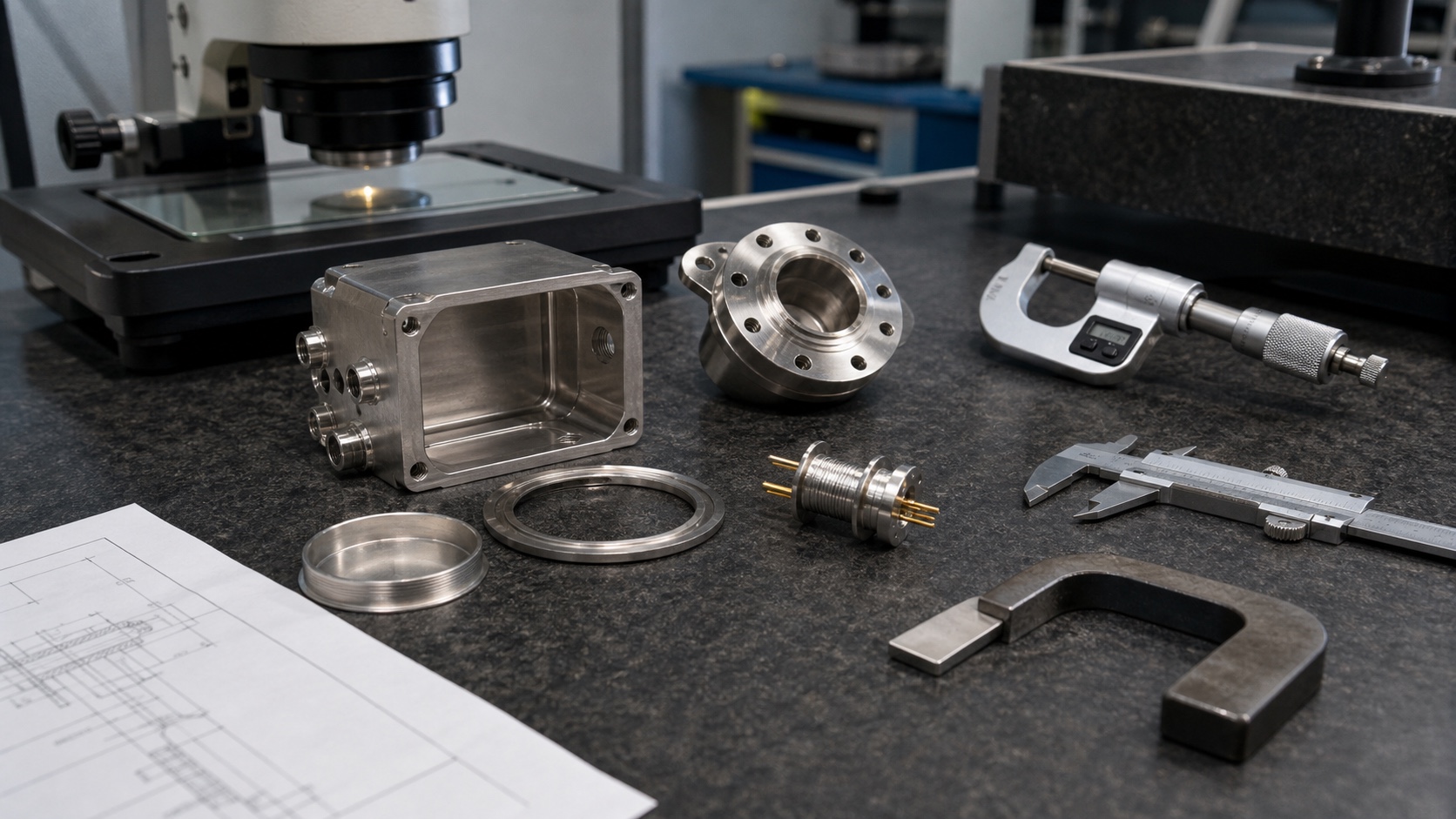
Is Kovar Magnetic? Understanding the Magnetic Properties of Kovar Alloy
When an engineer first specifies Kovar for a hermetic package or a glass-to-metal seal, the question often comes up in the first design review: "Wait, is Kovar …
Read more →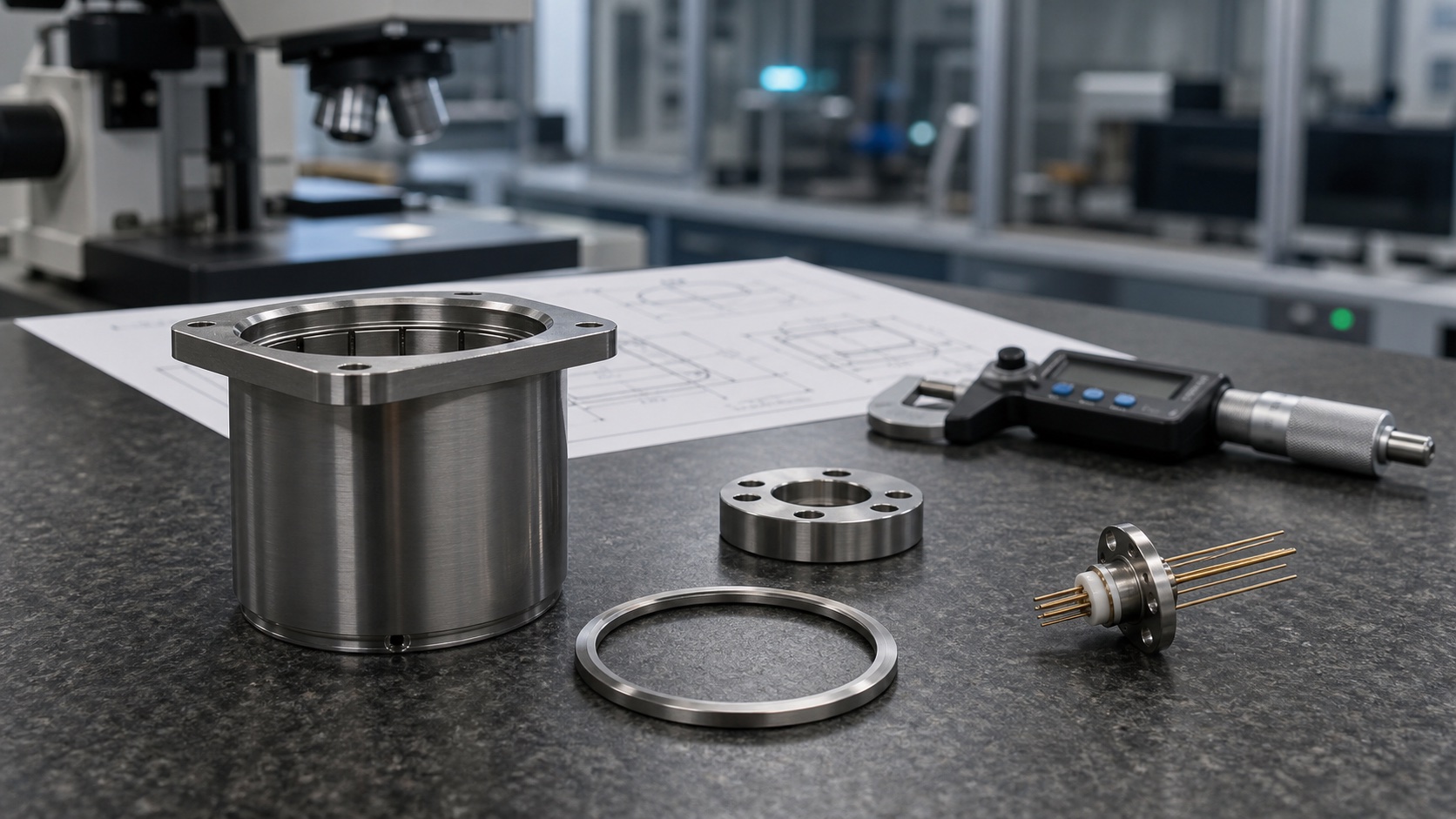
Kovar Melting Point: The Complete Engineering Guide to This Nickel-Cobalt Alloy
If you work in hermetic packaging, semiconductor equipment, aerospace electronics, or glass-to-metal sealing, you've likely crossed paths with Kovar. It's one o…
Read more →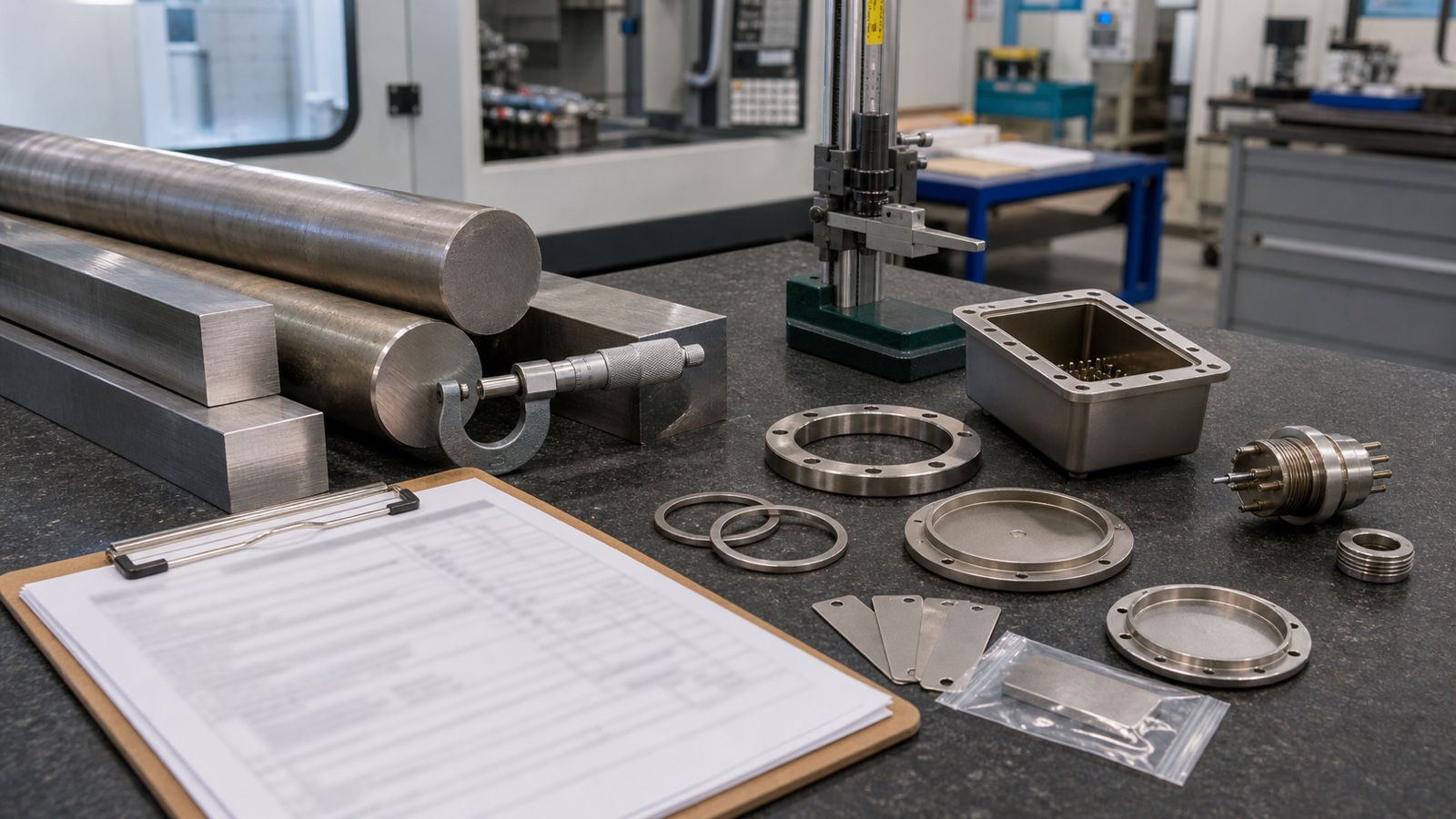
The Complete ASTM F15 Material Guide: Composition, Properties, and Applications
When a design engineer hands me a drawing for a hermetic feedthrough or a glass-sealed housing, the first question is almost always the same: "What material sho…
Read more →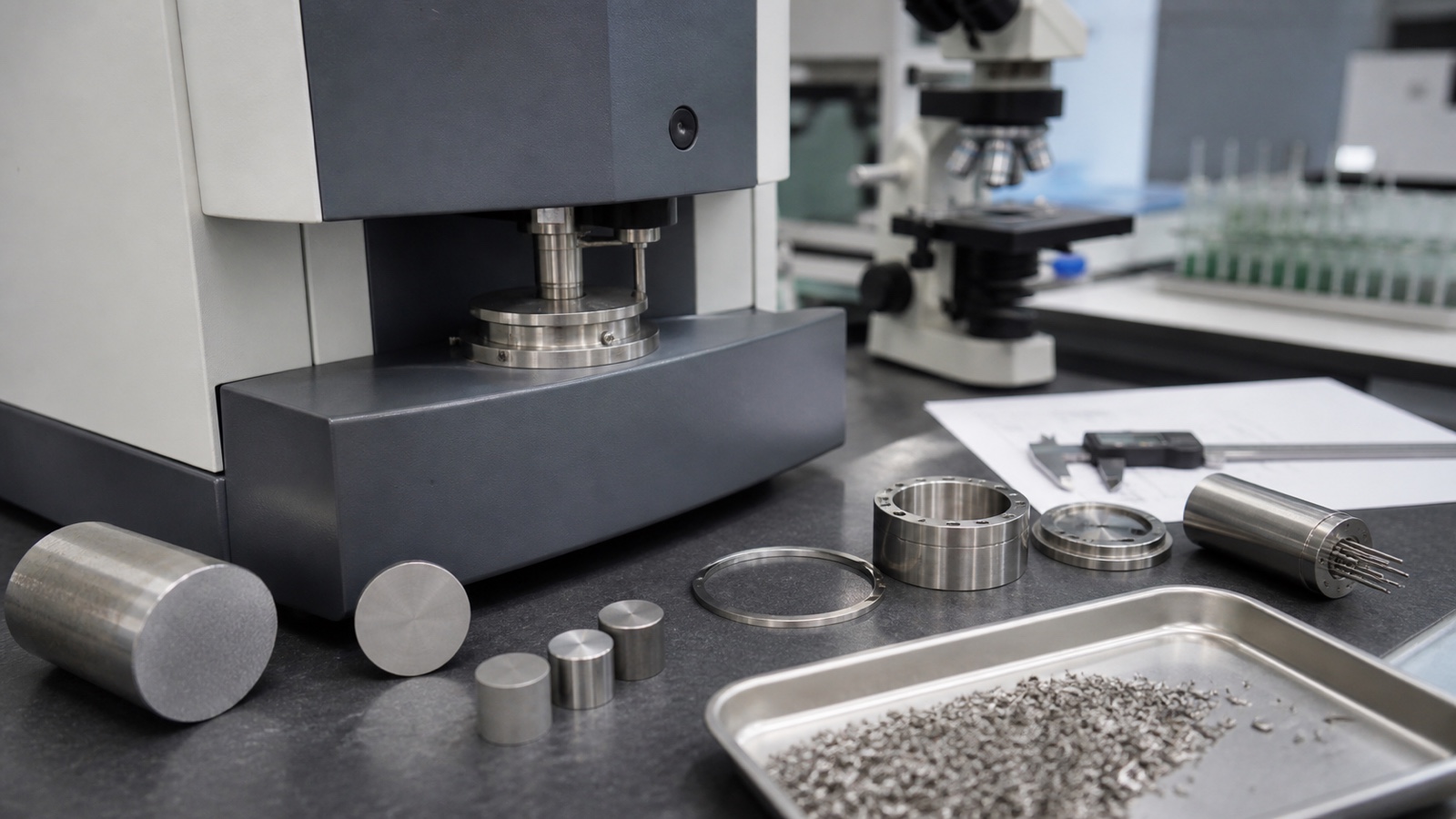
Kovar Chemical Composition Explained: The Fe-Ni-Co Alloy Behind Modern Sealing Technology
Every engineer who has designed a hermetic package eventually meets Kovar. It is the material that makes glass-to-metal and ceramic-to-metal sealing possible wi…
Read more →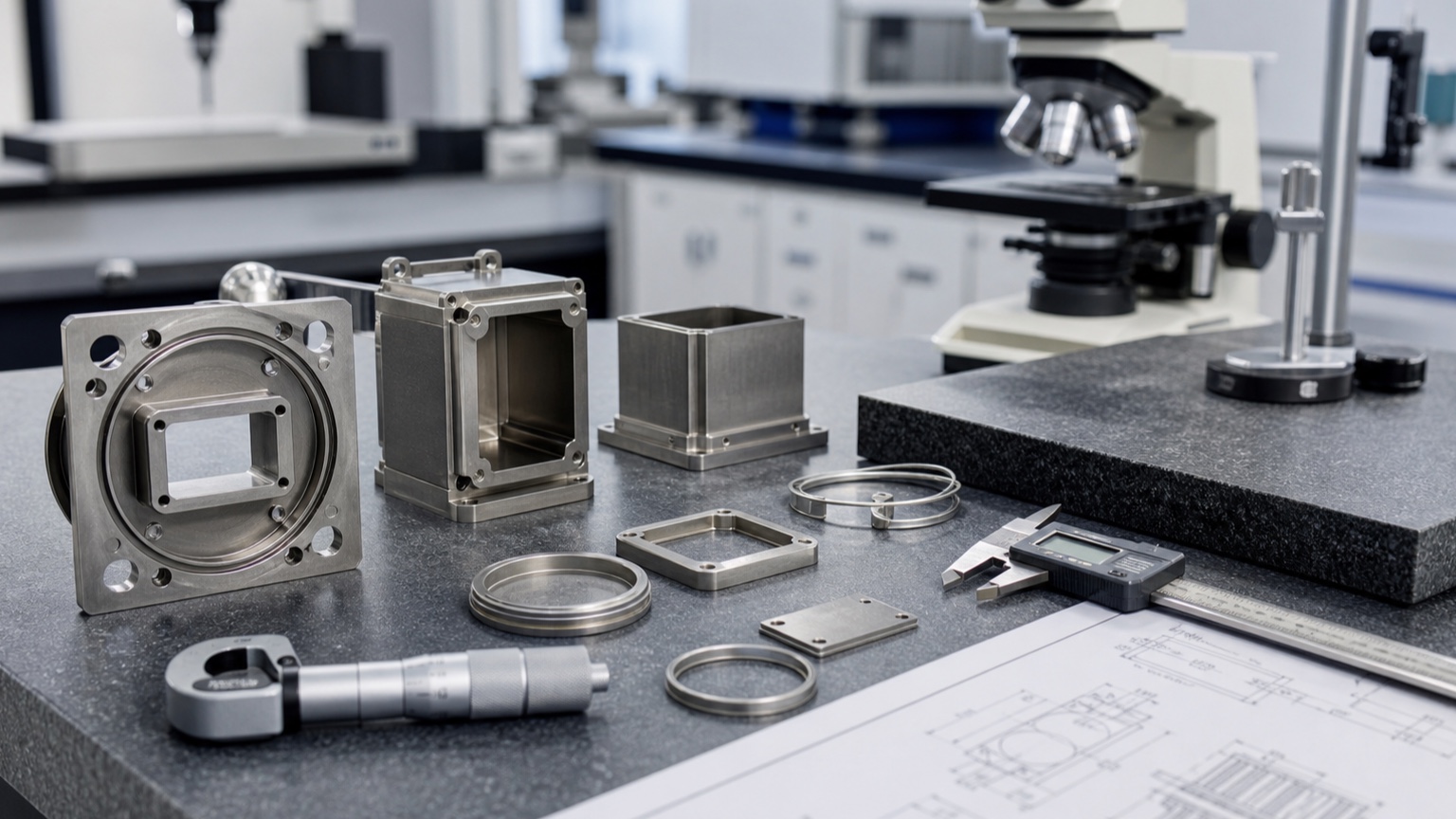
Kovar Material Properties: Composition, Physical & Mechanical Data
If you work in hermetic packaging, glass-to-metal sealing, or high-reliability electronics, you already know the name Kovar. What you may not have on hand is a …
Read more →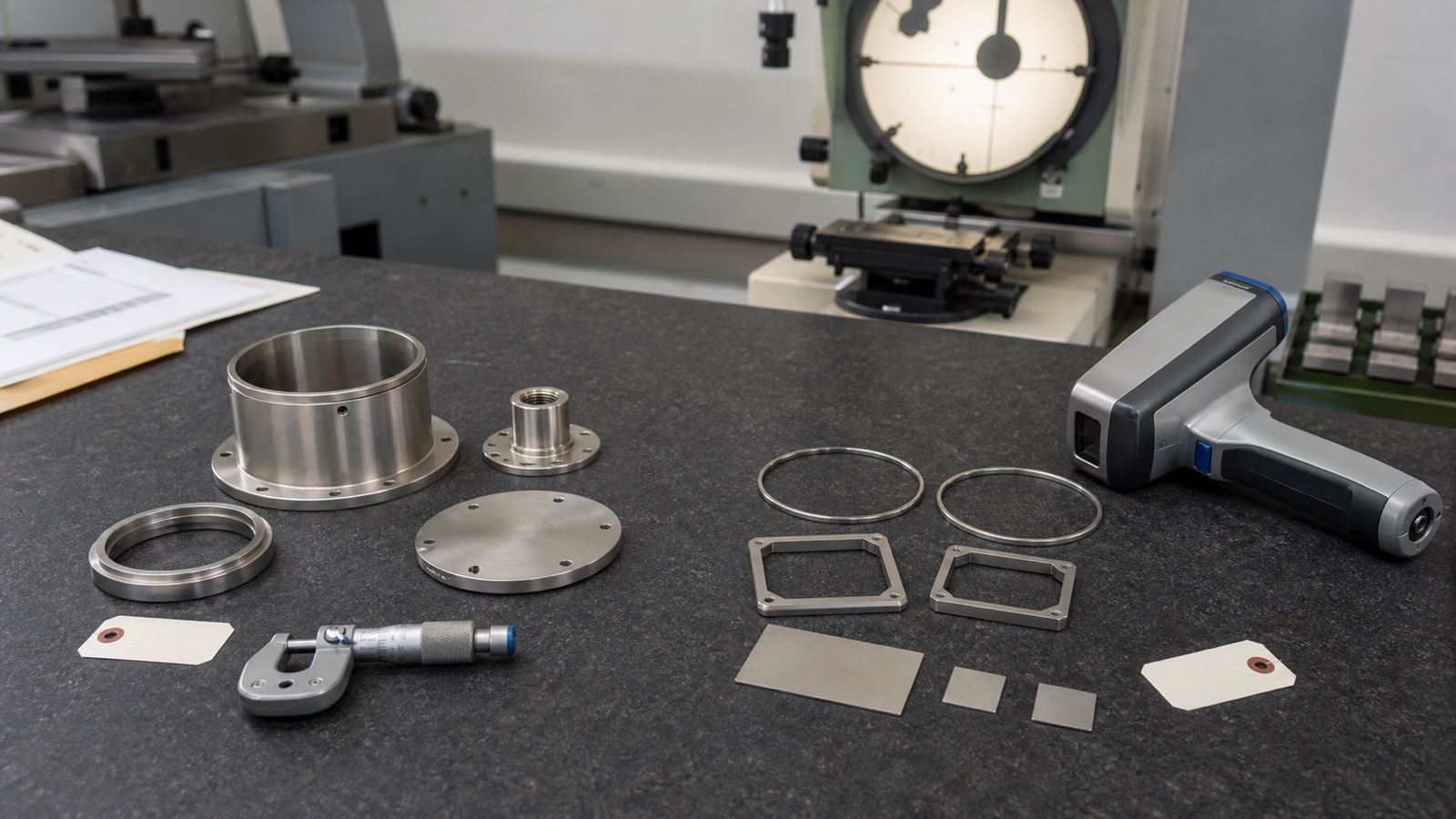
Kovar vs Nickel Iron Alloys: Key Differences, Properties & Applications
When we design hermetic electronic packages, optoelectronic modules, or precision instruments, one of the first material decisions we face is whether to use Kov…
Read more →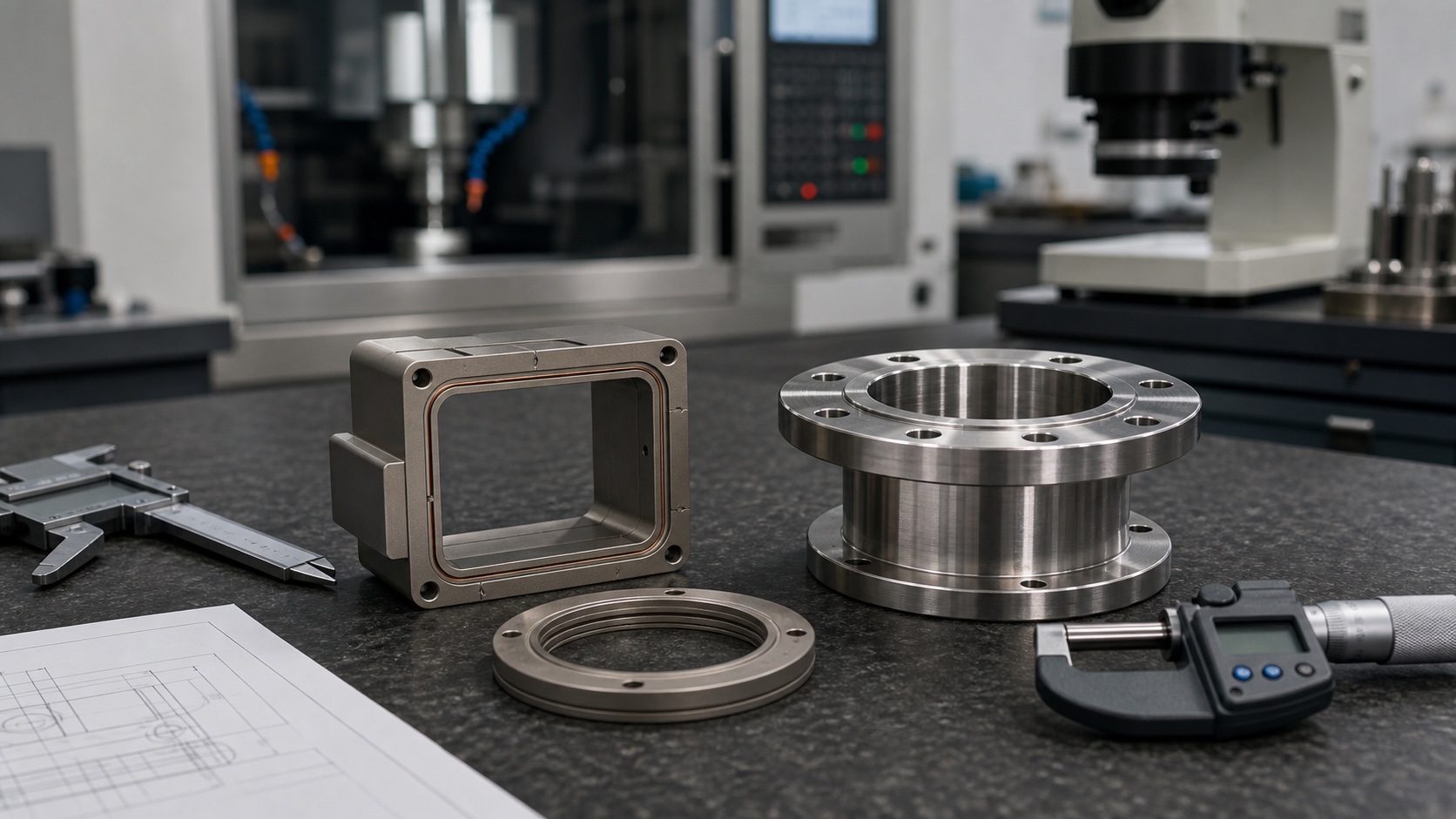
Kovar vs Stainless Steel: Key Differences, Properties, and When to Use Each
At KELTRYN, we spend our days machining Kovar and Fe-Ni-Co alloys for hermetic, high-reliability applications. One question we hear constantly from engineers an…
Read more →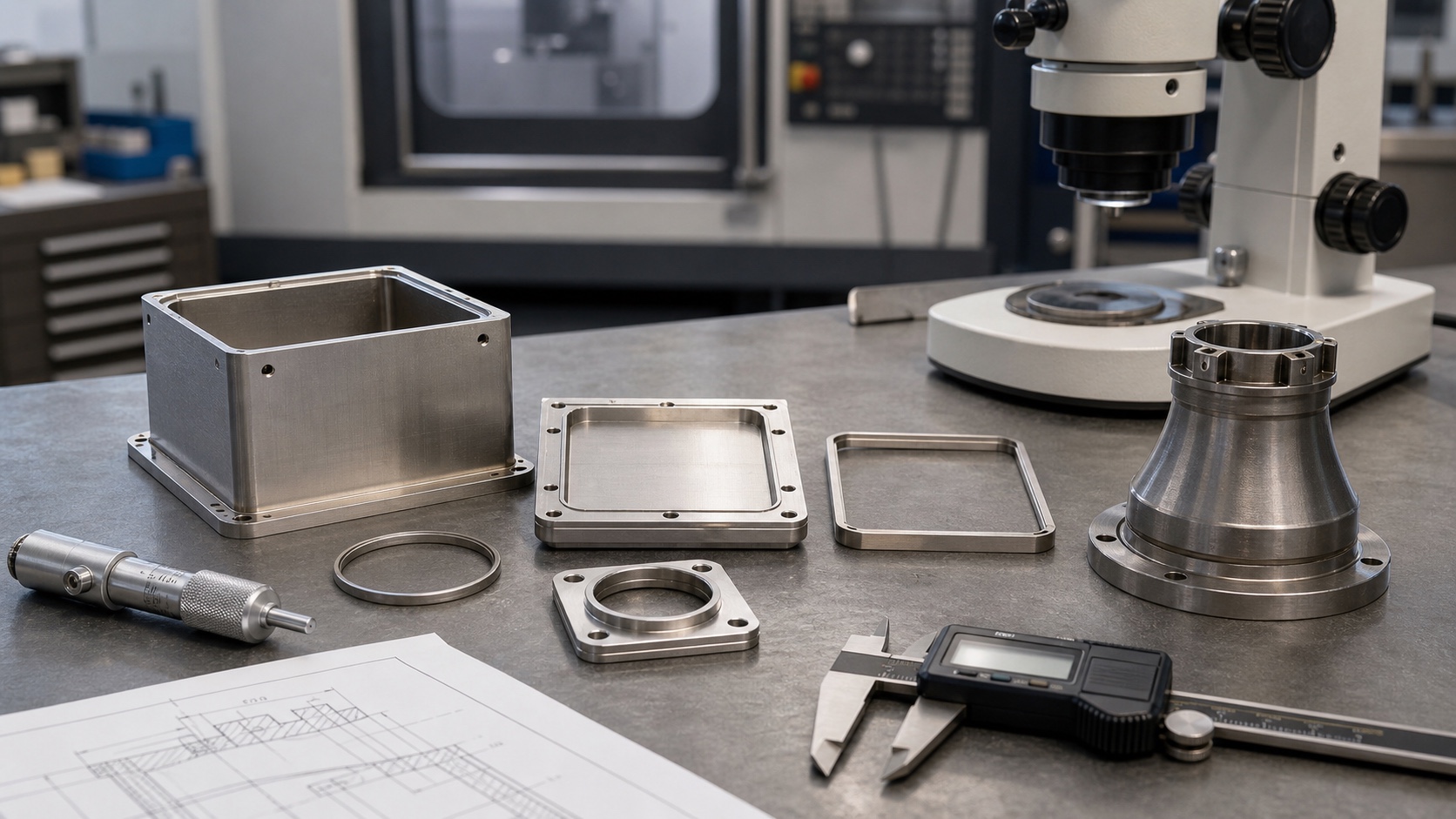
Kovar vs Inconel: Key Differences, Properties, and Applications
When an engineer places Kovar and Inconel side by side, it’s natural to ask: aren’t they both nickel-based alloys? The short answer is yes, but their similariti…
Read more →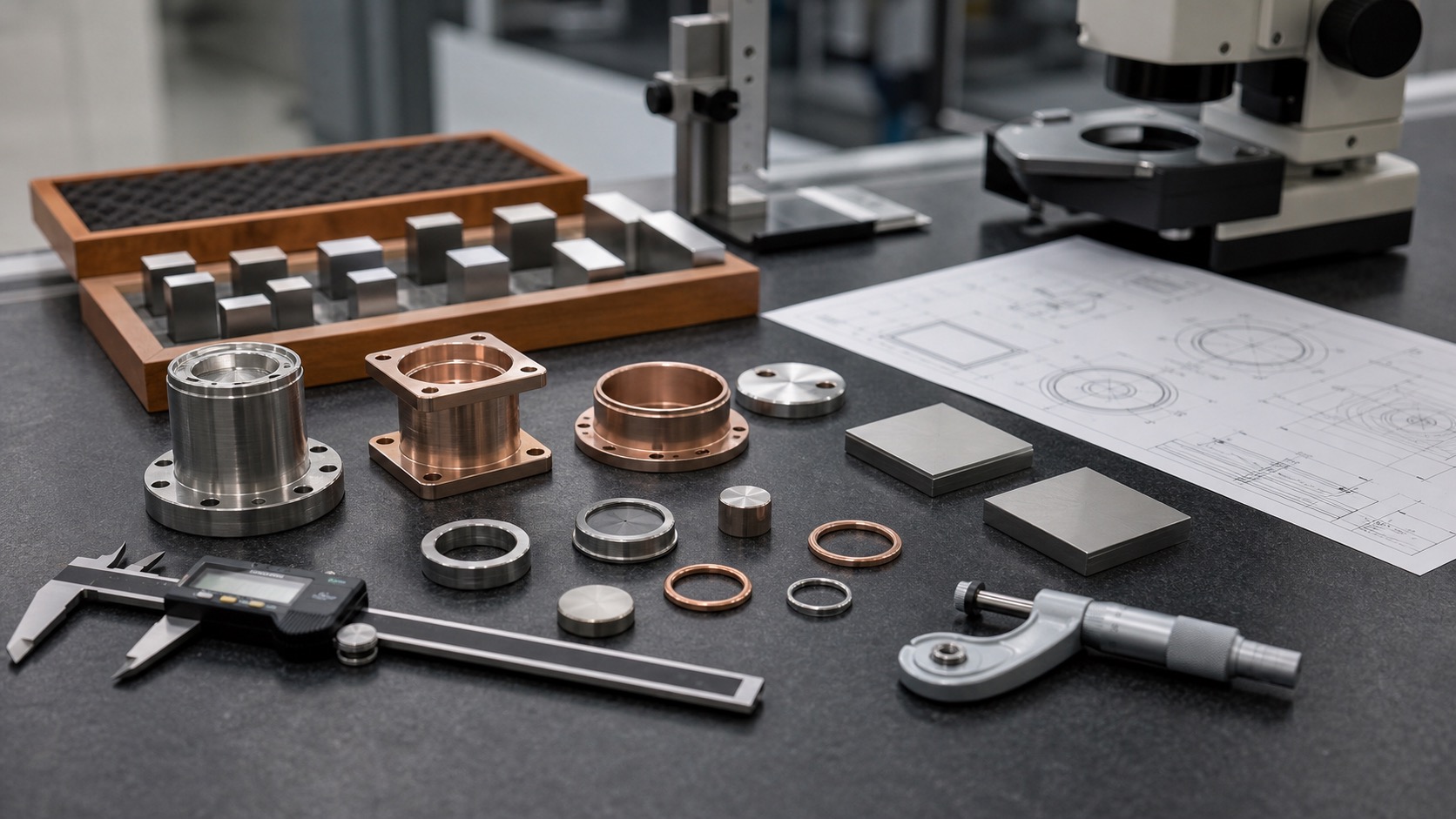
Kovar vs Invar: Key Differences, Properties, and How to Choose
When a design engineer hands me a drawing with a note that says “CTE must match borosilicate glass,” I know immediately which alloy they need. But when the requ…
Read more →Need a Precision Kovar Part?
Get a quick quote and engineering feasibility feedback.
Contact KELTRYN
Precision engineering for high-performance Kovar components and advanced electronic packaging. Get in touch with our technical team today.
Phone
+8619987732962Location
Dahe Industrial Zone Longhua District, Shenzhen, Guangdong Province, China